Cover Brand: Big Ideas Start Small
How do you build awareness for a movement around an issue people often avoid discussing?
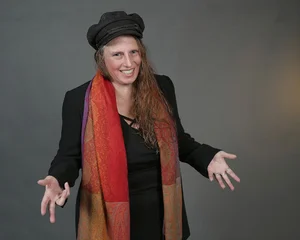
In this episode of Cover Brand, Ethan Decker talks with filmmaker and founder Karen Moore about her mission to address colorism through film, workshops, and community conversations.
Karen’s company, The Color of Beautiful Media & Entertainment Group, works to redefine beauty standards for dark-skinned Black women and create spaces where women can talk openly about the emotional and social impact of colorism.
But even powerful missions face a practical challenge: awareness.
Ethan shares brand science principles for building traction, emphasizing the value of starting locally rather than trying to reach everyone at once. Drawing examples from Oprah, Facebook, and Twitter, the conversation explores how many influential brands first gained momentum within small communities before expanding outward.
For entrepreneurs, creators, and mission-driven leaders, this episode offers practical insight into how focused communities can become the foundation for broader cultural impact.
Main Topics
Understanding colorism and its impact within communities of color
Using film and media as tools for social conversation and healing
The challenge of building awareness for mission-driven organizations
Why uncomfortable issues can be harder to market
Identifying a clear target audience (dark-skinned Black women)
The power of local community traction in brand building
Examples of local-first growth: Oprah, Facebook, and Twitter
Turning conversations into community engagement
Links & References
Cynthia Erivo & Jennifer Hudson – Purple Rain tribute performance (mentioned in the episode)
Nina Simone – Four Women (referenced in the discussion of Karen’s workshop)
The Color of Beautiful Media & Entertainment Group – Karen Moore’s organization
Dove “Real Beauty” campaign and global beauty standards (referenced in conversation)
Transcript excerpt:
If you’re building a brand around a big idea or a social mission, remember: movements rarely begin everywhere at once. They usually begin in one place—with people who need the conversation the most.